Open-Cell vs. Closed-Cell Spray Foam: Which Is Right for Your Payson Home?
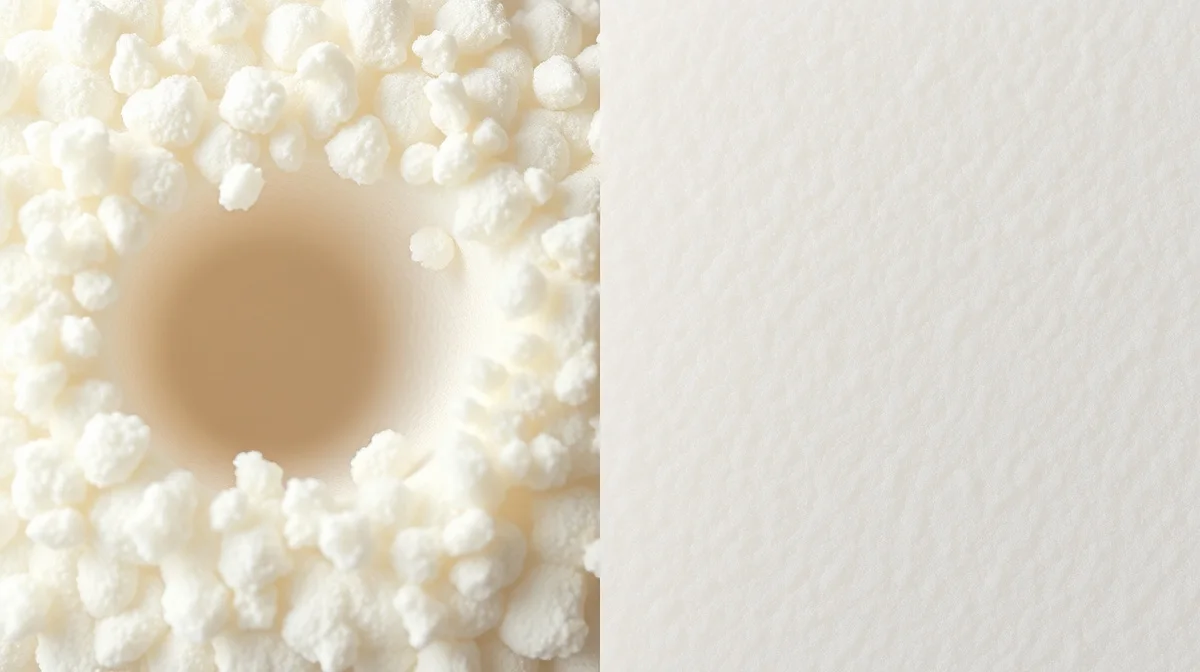
Once you've decided spray foam is the right call for your Payson home, the next question is almost always the same: open-cell or closed-cell? Both insulate and air-seal in a single application, which is what sets spray foam apart from batts and blown-in material — but they're genuinely different products suited to different parts of the house.
The Core Differences
- Open-cell: roughly R-3.5–3.7 per inch, lighter, less expensive per board foot, vapor-open, strong sound dampening
- Closed-cell: roughly R-6–7 per inch, denser, more expensive per board foot, near-vapor-impermeable once cured, adds structural rigidity
Where Open-Cell Foam Belongs
Open-cell foam does its best work inside the conditioned envelope, in spaces that stay dry — interior partition walls, conditioned (unvented) attic decks, and any assembly with no real exposure to ground moisture or exterior weather. Its lower cost per board foot makes it the practical choice for larger interior-wall coverage, and its open-cell structure absorbs sound noticeably better than closed-cell, which matters for a media room, home office, or bedroom wall.
Where Closed-Cell Foam Belongs
Closed-cell foam is the right call anywhere moisture exposure or tight framing depth is a factor — crawl space perimeters, exterior walls in a standard 2x4 cavity, and any application where a rigid, structurally bonded layer is a meaningful plus. In Payson specifically, crawl spaces are the clearest case: ground moisture is a given down there, and closed-cell's near-zero water absorption keeps it performing where fiberglass would eventually fail.
A Whole-House Assembly Usually Uses Both
Most whole-home projects in Payson end up using a mix — closed-cell where moisture exposure or framing depth calls for it, open-cell where interior walls and conditioned attic space favor its cost efficiency and sound performance. There's rarely a single 'right answer' for an entire house; the right answer is usually 'the right foam in the right place.'
Cost Difference in Practice
Closed-cell generally costs more per square foot than open-cell, reflecting its higher density and R-value. But because it delivers roughly double the R-value per inch, a thinner closed-cell application can sometimes be a smarter use of limited framing depth than a thicker open-cell one — particularly in a standard 2x4 exterior wall where every inch of cavity counts.
Frequently asked questions
Yes — this is actually the norm rather than the exception. Most whole-home Payson projects use closed-cell where moisture exposure or tight framing depth calls for it (crawl spaces, exterior walls) and open-cell where interior walls and conditioned attic space make more sense.
Open-cell foam's open-air structure absorbs sound noticeably better than closed-cell foam's dense, rigid structure, which is why it's the more common choice for interior walls around bedrooms, home offices, and media rooms.
Ready for a free quote?
Tell us about your home and we'll build a clear, no-pressure quote.